

Not every setup needs a ball bar
Despite the usefulness of ball bars in CMM systems and 3D scanning systems, there are times when you should not use them.
Here are some situations where a ball bar is not ideal:
1. When you’re only checking diameter accuracy
If you only care about diameter measurement, using a calibration ball will be quicker and more cost-effective. Ball bars are overkill for simple checks.
2. When environmental conditions are extreme
If your setup is subject to temperature fluctuations, humidity, or vibration, the ball bar might not be the best option. Environmental changes can introduce errors that the ball bar might not be able to account for in real-time.
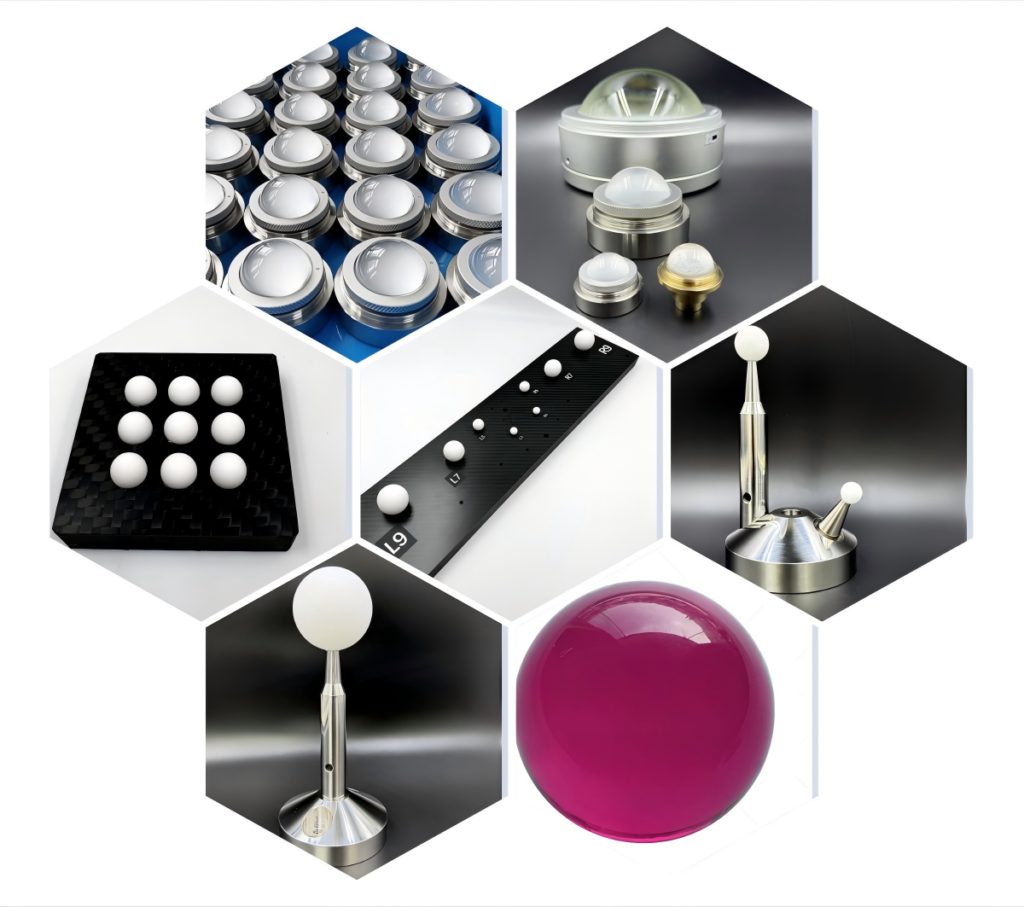
3. When you don’t need volumetric accuracy
If your system doesn’t require high volumetric precision, such as when you’re just measuring isolated points, a calibration ball can perform the job faster and more simply.
4. For very small-scale measurements
If you’re working with small objects or precision measurements on a limited scale, ball bars are usually too large. Smaller calibration tools might be more appropriate.
Conclusion
A ball bar is a powerful tool, but not always necessary. Know when to use it and when to rely on more simplified methods for quick checks.